Safe Haven Fellowship
About the Safe Haven Fellowship
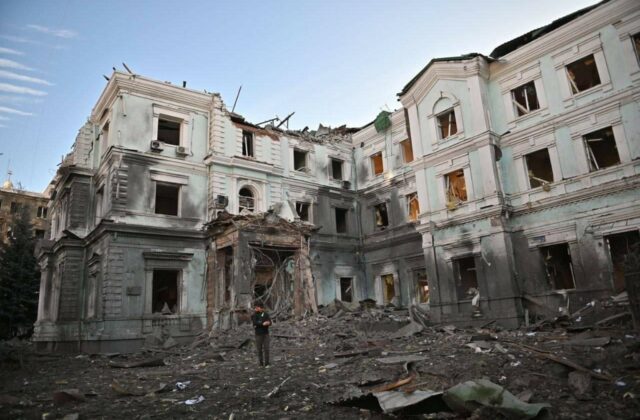
The programme protects scholars, journalists, writers and artists whose work is restricted or obstructed by state or non-state actors. It does so by offering them temporary relocation and the opportunity to continue their work. Those whose academic freedom is severely restricted as a result of conflict or war are also encouraged to apply.
The University of Amsterdam, Maastricht University and the Royal Netherlands Academy of Arts and Sciences (KNAW) are official partners of the programme.
Who can apply
The fellowship is for accomplished researchers with a demonstrable record of academic, literary, journalistic or artistic work. Applicants from outside academia are welcome, but they too should be researchers first and foremost.
Applicants submitting a scholarly proposal must hold a PhD and have at least three years of postdoctoral research experience at the time of application. Applicants submitting a literary, journalistic or artistic proposal must hold a bachelor’s degree from a university or university of applied sciences. Their CV must also show at least seven years of professional experience in their field.
The working language at NIAS is English, and applicants need full proficiency at academic level (C1) to take part in the life of the institute and benefit from the responses of their peers.
NIAS does not accept applicants affiliated with institutions boycotted by the Dutch state. NIAS has carefully considered what it can offer prospective fellows and what the programme can realistically deliver. Only applicants who meet these requirements are eligible, and the programme makes no exceptions.
How to apply
Applications must meet all the formal requirements set out in the regulations, which applicants confirm on submission. An application takes five steps:
- Read the regulations and make sure you meet the requirements.
- Prepare a research proposal, a CV, a motivation statement and a risk statement, all in English and in line with the regulations.
- Complete the online application form. Applications sent by email are not considered.
- Check that the form is complete and correct, as incomplete applications are ineligible and applications cannot be changed once submitted.
- Confirm your registration within 48 hours of receiving the automated email, or the application will expire.
Selection procedure
NIAS runs two selection rounds a year, with deadlines in June and December. After each deadline, selection follows six steps:
- NIAS checks all applications against the regulations and rejects those that do not meet the formal requirements.
- Applicants hear whether their application is eligible.
- Each eligible application is sent to two external referees from the NIAS panel.
- The referees assess the proposal, with the CV as background. The full criteria are set out in the regulations.
- The ten highest-scoring scholarly applications and the ten highest-scoring literary, journalistic or artistic applications go to the Fellowship Advisory Committee. The committee ranks the candidates and advises the NIAS Director, who makes the final selection.
- NIAS informs all candidates of the outcome in writing.
Practical information
Fellows receive a stipend of €3,500 per month. NIAS provides an office, research facilities, communal lunches on weekdays and a place in the NIAS community, together with subsidised accommodation in Amsterdam or reimbursement of commuting costs.
NIAS reimburses travel to and from Amsterdam, but fellows arrange their own journeys. Fellows apply for their visa and, where needed, their work permit at the Dutch embassy in their home country, and local travel to and from the embassy can be reimbursed. NIAS provides a letter of invitation and applies for the work permit where one is required. Only when a fellow cannot travel independently because of political, legal or other restrictions will NIAS try to help arrange the journey to Amsterdam.
The fellowship is temporary and offers no possibility of long-term residence at NIAS or in the Netherlands. It is not an employment relationship, so NIAS does not pay social insurance, pension or unemployment contributions.
A fellowship at NIAS is a full-time commitment. Fellows are expected to be at the institute four days a week from the start to the end of their fellowship, including Thursdays for the weekly seminar. They are also expected to take part in the introduction period in the first two weeks, and to acknowledge NIAS in publications and other work resulting from it. More information is available under What NIAS offers and Commitment, rules and regulations.
Limitations of the programme
The programme’s resources are limited, and the need for safety and relief far exceeds what it can offer. NIAS is not an emergency or refugee organisation. It cannot provide evacuation, counselling or general assistance to people affected by war or political circumstances. The programme does not offer scholarships, PhD places, study opportunities or other support to students. NIAS has no influence over immigration authorities, does not assist applicants who have not been selected, and cannot help with asylum requests. It receives far more applications than it can accept and cannot guarantee a fellowship to every eligible applicant.
Past & present Fellows
-
-
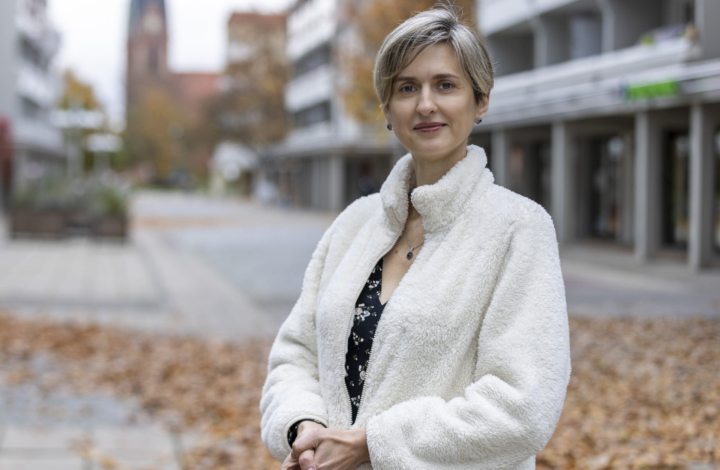
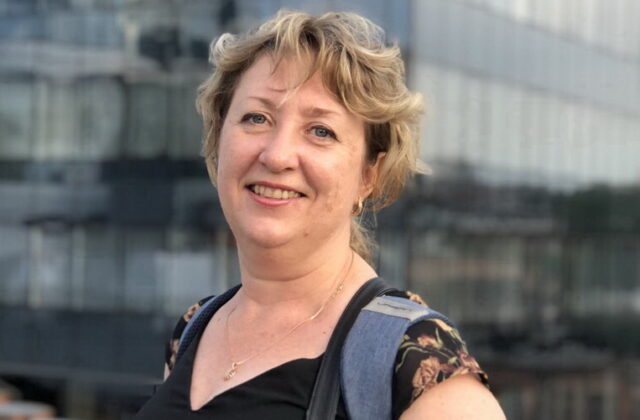
Krylova-Grek, Yuliya
Year Group 2025/26 Disciplines: Communication Studies, Linguistics, Media Studies -

-
-
-
-
-

-
-
-
-
-
-
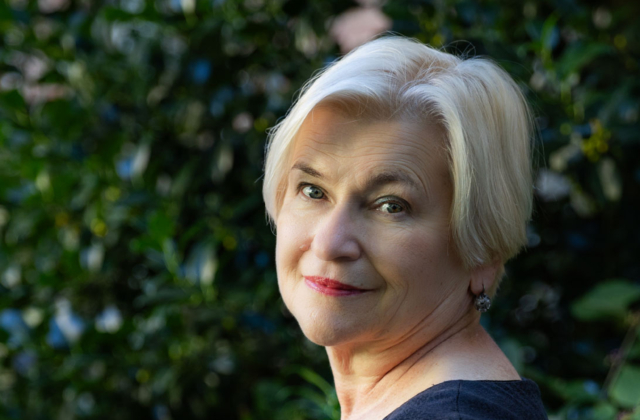
Gardashuk, Tetiana
Year Group 2023/24 Disciplines: Ecophilosophy, environmental ethics, Philosophy of Science -
-
-
-
-