

Theme Groups
Theme Groups bring together scholars of different backgrounds with specific expertise to work together on a daily basis, to advance knowledge on a particular theme.
Each year, one to three research theme groups come to NIAS to carry out research that requires a longer period of daily cooperation. Theme groups are composed of maximum four scholars, and researchers work both individually and as a team on a clearly defined research topic.
Theme Groups
-

Defamiliarizing Geslacht
-

Academic freedom in context
-

Abstraction, Broad Generalization, and Composition: The ABCs of Analogy
-

Why do adults change their beliefs?
-
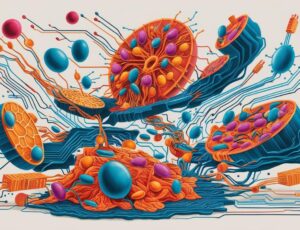
Hybrid Agencies: Interacting with Biological and Artificial Systems
-
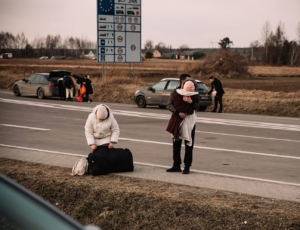
Ecology and Belonging: In Search of a New Political Space
-

Early Dutch Commerce and Indigenous Landscapes
-

Re-imagining Security Labour
-

Future of Progressive Politics
-

The Spatial Segregation of Neighborhood Organizations and Entrepreneurs: Connecting Urban Inequality to the Built Environment
-

Climate Change and the Governance of Tropical Marine Conservation
-
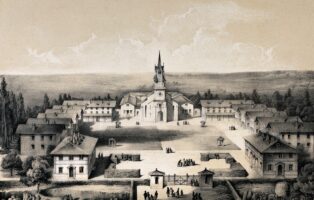
Political Theories of Involuntary Servitude within Europe (1600-1850)
-

Social Media for Digital Democracy: Theory, Applications, Algorithms
-

Refuge and Belonging
-

Accessible Tool for Language Assessment in Schools (ATLAS)
-

The Politics of (De)familiarization: The Common and the Strange in Contemporary Europe
-
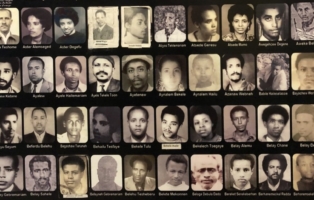
Building a Research Agenda in the Studies of War, Mass Violence and Genocide
-

Accountability in Medical Autonomous Expert Systems: Ethical and Epistemological Challenges for Explainable AI
-

Legal Mobilization: Analyzing Law-Based Advocacy
-

Understanding Knowledge in the Low Countries, 1500-1900
-

What is Translation? Articulating the Missing Link between Psychiatry and Neuroscience
-
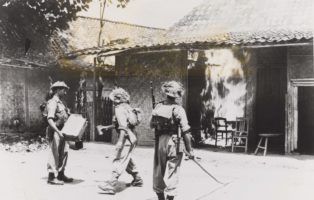
Comparing the Wars of Decolonization
-
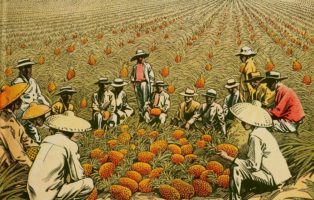
Commodity Frontiers and the Making of Global Capitalism
-
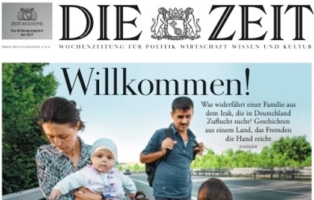
Reading and Narrating the Migration/Refugee Crisis
-
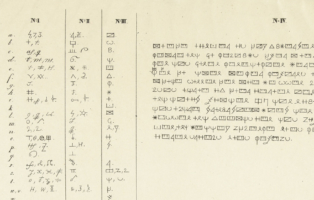
Borders and the Transfer of Knowledge
-

Diaspora, Migration and the Sciences: A New Integrated Perspective
-
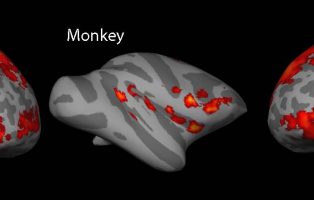
The Comparative Biology of Language Learning: Towards the Next Level
-

Knowledge and the Market: Affective Economies
-

My Optimism Wears Heavy Boots: So much research, so few implications, towards ‘patient-proof’ empirical models and more effective interventions in mental health
-

From Multidisciplinary Perspectives to Interdisciplinary Pathways: An Agenda for Future Retirement Research and Policy
-

Gene x Environment Interactions in the Developing Brain
-

Knowledge and the City, ca. 1450 – ca. 1800
-
Mass Communication in Classical Antiquity
-
The Evolution of Financial Markets in Pre-Industrial Europe: The Case of the Low Countries, 1500-1800
-
The Real and the Imagined in the Contemporary Balkans
-

European Elections and Public Cynicism
-
Terrorscapes. Transnational Memory of Totalitarian Terror and Genocide in Postwar Europe
-
Dutch Atlantic Connections: The Circulation of People, Goods and Ideas in the Atlantic world, 1600-1800
-
Texture Analysis Challenge for The Arts
-
The Construction of Local Identities through Language Practices
-

Modelling Social Reality: Emergence of the Glass Ceiling
-

Understanding Information Spreading in Social Networks
-
Explaining European Union Decision-Making: Insights from the Natural and the Social Sciences
-
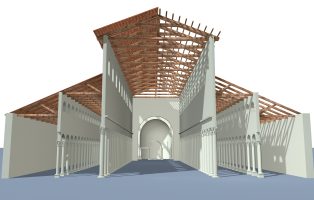
Biographies of Buildings: Virtual Futures for our Cultural Past
-

Social Support: Channels, Contexts, Health Consequences, and Technological Applications
-
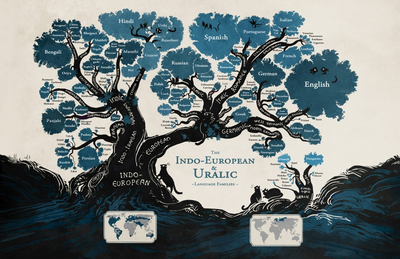
Capturing Phylogenetic Algorithms for Linguistics
-
The Danger of Community Failure: Conditions for Solidary Behaviour in Modern Market Societies
-
Network Analysis
-
Rethinking the History of Medicine: 'Rationality' and 'Magic' in Babylonia and the Graeco-Roman World
-
The East - West Encounter
-
A Comparative History of the Literatures of East Central Europe
-
East Asian and Latin American Developments Compared
-
Flexibility and Strategy in Resource Allocation
-
National Systems of Innovation and the Idea - Innovation Chain
-
Tatian's Diatessaron
-

Historical Developmental Psychology
-

Translation Techniques in Armenian and Syriac
-
An Encyclopaedia of Syntactic Case Studies
-
Stratification in Eastern and Western Europe in the 1990s
-
Pacific Asia and Europe: Developing Interfaces
-
Bilingualism
-

Political Parties and the Quality of Democracy
-
Human Syntactic Processing
-
Magic and Religion in the Ancient Near East
-
The History of Dutch Concepts
-

Understanding Social Dilemmas
-
Theatre Iconography
-
Forensic Expertise and the Law of Evidence in Europe
-
Inventing Europe. A Transnational History of European Integration
-
Terrorists on Trial. The Court Room as a Stage in the Struggle for Publicity, Public Support and Legitimacy
-
Flavius Josephus - Author, Editor or Historian?
-

Coming to Terms with a Shattered World: A Multi-Disciplinary Approach to Violence in Africa
-

Games, Action and Social Software
-
Restricted Linguistic Systems as Windows on Language Genesis
-
Rulers, History and Exegesis in the Early Middle Ages: The Formation of Carolingian Political Identity
-
The Grotian Concept of Rights
-

A New View on Survey Research
-

Environmental History of Southeast Asia, 1500 - 2000
-
Older adults' life strategies in preparing for the future
-
The Reception of Netherlandish Art in the Indian Ocean Region and East Asia, and its Impact on Asian Cultures
-
The Modern and Postmodern Augustine. Aspects of His Reception from 1600 to 2000
-
Discourses of meditation and self-reflection in art and literature, 1300-1600
-
HUGO - Hague Utilities for Global Organisations -