Defamiliarizing Geslacht
Year Group 2026/27
About the topic
The theme group Defamiliarizing Geslacht uses this concept as a heuristic device to explore the connections between gender, generation, and intersectionality in new and unexpected ways. At its core, geslacht draws attention to how societies organise the transfer of power, land, property, rights, and identity from generation to generation, and to the central role that the body, sex, gender, and sexuality play in such transfers. The expression van geslacht op geslacht (from generation to generation) captures this double movement: the biological and the social, the bodily and the historical, bound together in a single concept.
The group investigates cases of what it calls “troubled transfer”: situations in which the apparent naturalness of continuity between identity, genealogy, and progeny is disrupted, contested, or called into question, often in relation to race and other differences deemed inherited. These cases range widely in time and place. From Protestant households in early modern Europe to family-constellation therapy in postcolonial Western cultures; from debates among eighteenth-century French naturalists to encounters between European anthropologists and Papuan peoples. By defamiliarising histories, practices, and cultures of genealogy in their connections with gender, sex, sexuality, and race, the project intervenes in a contemporary public debate that has seen an unprecedented surge of interest in tracing roots and lineages — often in ways that uncritically reproduce biological, patriarchal, and dynastic models of identity.
About the members
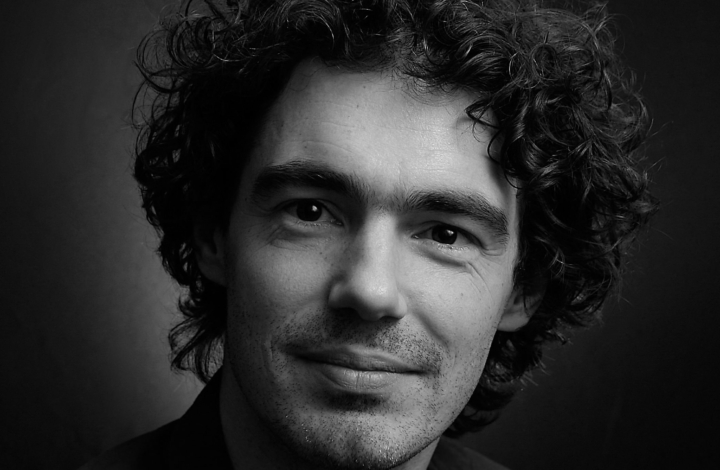
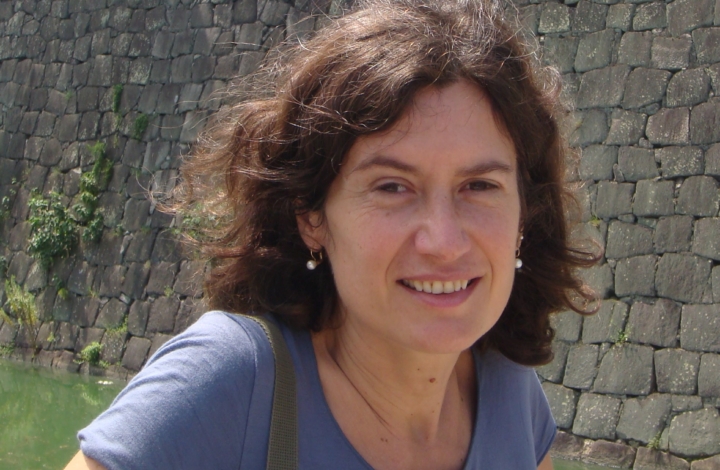
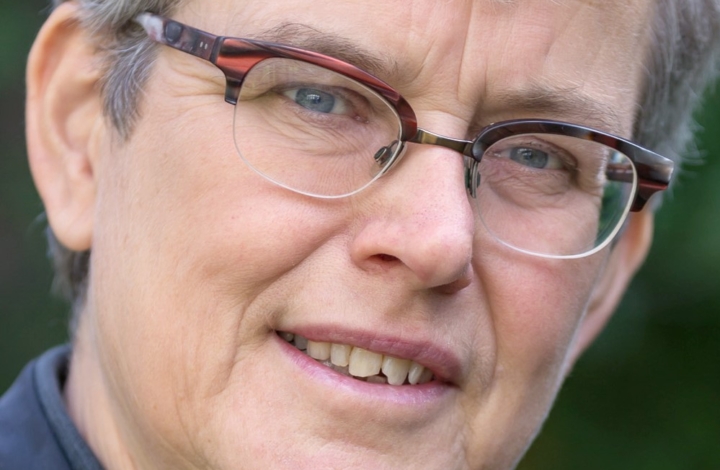
The group brings together Ana Eclair, Geertje Mak, Silvia Sebastiani, and Helmer Helmers, combining expertise from gender studies, political history, intellectual history, and cultural history.
Understanding geslacht in its full complexity requires precisely this kind of disciplinary breadth. Gender and sexuality studies, anthropology, and history have each approached questions of kinship, lineage, and identity with different methods and emphases; this group puts them into productive dialogue.
Eclair, a gender studies scholar based at the University of Melbourne, examines how family-constellation therapy reimagines relatedness and provides a way into what has been rendered unspeakable. Mak, a political historian of gender at the University of Amsterdam and KNAW, investigates bloodlines in physical anthropological research conducted in Dutch and German New Guinea between 1857 and 1962. Sebastiani, a historian at the EHESS in Paris, explores the relationship between reproduction and the making of humanity in Enlightenment thought. Helmers, a cultural historian at the KNAW Humanities Cluster, investigates how sixteenth- and seventeenth-century genealogies and family books reshaped family and gender relations in the face of political crisis during the Dutch Revolt, and how such realignments related to the rise of familial conceptions of community and nation.
Together, the group brings a rare combination of historical depth and theoretical ambition to one of the most fundamental – and most politically charged – questions in the humanities: how societies decide who belongs to whom, and who gets to say so.
Theme group participants
-
 Theme Group
Academic freedom in context
-
-
 Theme Group
Why do adults change their beliefs?
-