Helmer Helmers
Associate Theme Group Member

Project title
Defamiliarizing geslacht
Research question
How did families in the past make identities in times of crisis?
Project description
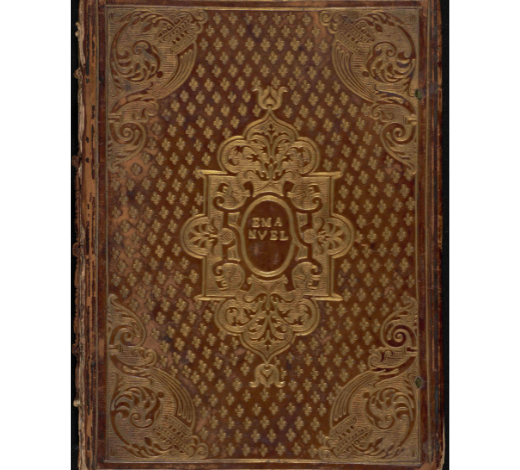
Helmers’ project investigates the making and breaking of kinship in one of the major crises in early modern Europe: the Dutch Revolt. The Revolt was in many ways a crisis of belonging, which ruptured family bonds, both among living kin and with ancestors. The rise of a new genre of self-writing in the period, the family book, reflects the anxieties and pressures produced by this context.
The family book was a book created by mostly middle-aged, middle class men for their children, in which they presented their personal and family histories and genealogies. Helmers’s project investigates how war, economic hardship and forced migration affected their representation of ancestry and kinship. How did they present the relationship between biological and ideological or spiritual kinship? Which relations and family identities did they sever, and which did they seek to transfer to next generations? What kind of future did they seek to make by writing their family history?
Selected publications
- Helmer J. Helmers, ‘Republican Kinship in the Society of Princes: The Dutch States General as Corporate Godparent, 1578–1732’. The Historical Journal 68:5 (2025), 1016-1040. 10.1017/S0018246X25000019
- Helmer J. Helmers, De Comentarius van Emanuel van Meteren. Een geannoteerde editie van een verloren gewaand zestiende-eeuws familieboek (Hilversum: Verloren, 2023).
- Helmer J. Helmers, The Royalist Republic: Literature, Politics, and Religion in the Anglo-Dutch Public Sphere, 1639-1660 (Cambridge: Cambridge University Press, 2015).
More about myself
The binding of a seventeenth-century family book from Auckland Public Library, MS 237.