Colonialism in science
Lorentz workshop by Catarina Dutilhnovaes
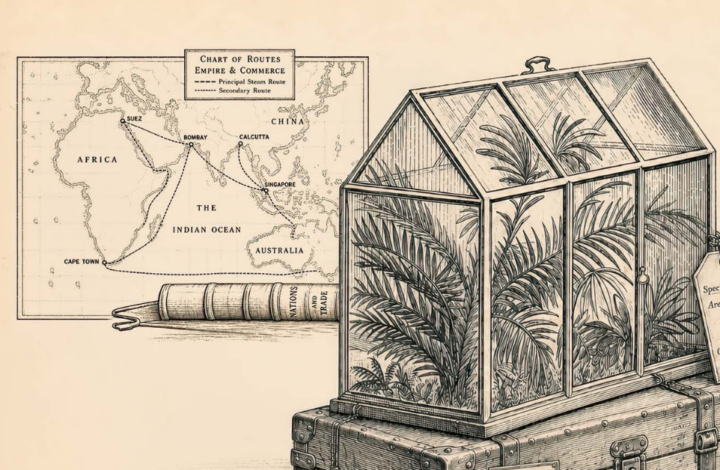
This workshop at the Lorentz Center brings together philosophers, historians and sociologists of science with practising scientists to examine how colonial assumptions have shaped scientific practice over the past centuries, and to what extent they persist in current research. These include racialised hierarchies between ways of knowing and extractive approaches to knowledge, resources and labour. Alongside this critical examination, participants will consider whether scientific practices and methods can be reformed from within, drawing on the experience of scholars and scientists who are already developing new ways of doing science.
The workshop is organised by NIAS fellow Catarina Dutilh Novaes (VU Amsterdam), David Ludwig (Wageningen University), Charbel El-Hani (Federal University of Bahia) and Phila Msimang (Stellenbosch University), with the support of NIAS.
Participation is by invitation only. The programme and further information are available on the Lorentz Center website.
-
 Fellow
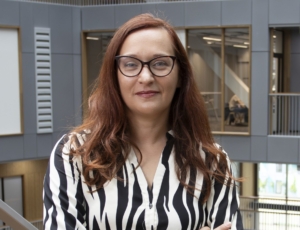
Catarina Dutilh Novaes
-
 Fellowship
Distinguished NIAS Lorentz Fellowship
-
-