While emotions can also be positively mobilized by social movements to achieve greater equality, it is notable that in recent years the radical right in particular has mainly fueled negative emotions: fear, revenge, and resentment. There is one exception: “feeling at home.” That is a positive emotion, a feeling that is emphatically claimed for “real,” native Dutch people. Although “feeling at home” may at first sound kind and inclusive, it is almost invariably followed by the question of who actually “belongs” here. Belonging is therefore, by definition, an exclusive, exclusionary emotion, according to Duyvendak.
Two misconceptions about polarization and inequality
In his farewell lecture, Duyvendak examines where the widely held view comes from that polarization and inequality in the Netherlands are increasing. He points to two underlying reasons for this misconception.
First, the high number of demonstrations is generally interpreted as evidence of a growing distance between groups, whereas these mobilizations in almost all cases actually indicate a decreasing distance: almost everyone in the Netherlands considers themselves politically capable of acting, and no one accepts remaining forms of inequality as self-evident anymore.
This brings us to the second reason: inequality – apart from wealth inequality – has not increased, but our sensitivity to it has. That sensitivity has two sides: on the one hand, we accept inequality far less than before; on the other hand, that strong feeling leads many to believe that inequality has in fact grown. It is therefore not reality that has changed, but our perception of it, Duyvendak argues.
Fear of loss, not actual loss
The increased support for the radical right is often attributed to so-called objective developments: supporters of these parties are said to be the “losers of globalization.” In the Dutch context, however, it is not so much a matter of actual loss, but of fear of loss – a fear that thrives precisely because so many people have so much to lose, according to Duyvendak.
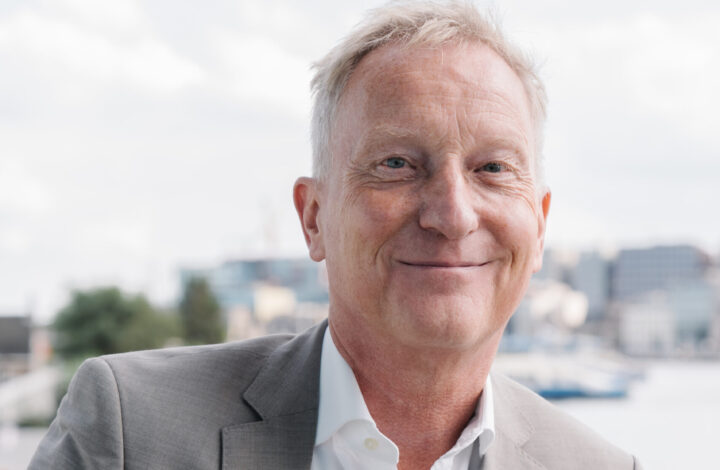
Prof. Dr. W.G.J. Duyvendak, Professor of Sociology and NIAS Director: Where to Belong? Emotion, the Nation, and Sociology.
Jan Willem Duyvendak kindly asks that you do not give gifts or flowers but instead consider donating to the NIAS Solidarity Fund, because equality is not a given; it requires support.
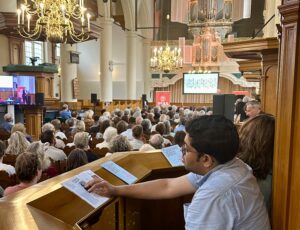
This farewell lecture can be followed live here.