About
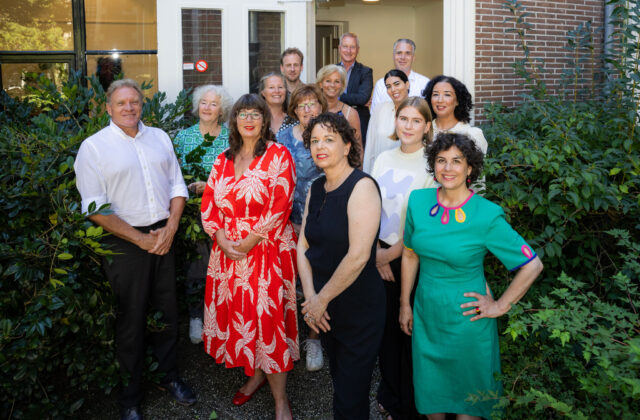
NIAS, one of the institutes of the Royal Netherlands Academy of Arts and Sciences (KNAW), promotes and safeguards academic freedom by offering fellowships for curiosity-driven research, bringing attention to emerging threats to academic freedom, and actively advocating for it as a fundamental pillar of liberal democracy.
-
Mission and Vision
NIAS is founded on the conviction that the purpose of academic research is to ask new questions. While such questions may lead to more or less immediate solutions to the challenges facing people and societies, they above all represent an essential societal competence. NIAS regards curiosity-driven research as an intrinsic human value and a cornerstone of liberal democracy. It can flourish only where academic freedom is guaranteed.
Read more about Mission and Vision
-
Staff and Vacancies
NIAS’ staff are dedicated to realising unbiased selection of well-balanced cohorts of fellows; to providing the best possible individual and collaborative research environment; and to an impactful programme of academic and public events and publications.
Read more about Staff and Vacancies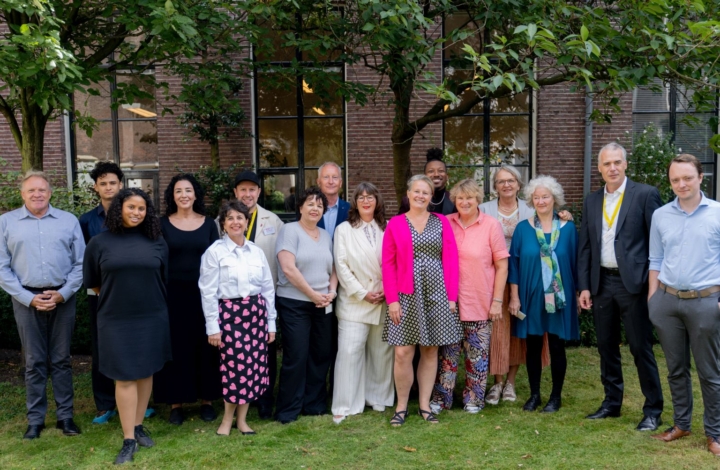
-
Support NIAS
NIAS, the oldest Institute for Advanced Study in continental Europe, fosters curiosity-driven research for scholars, artists, writers, and journalists. It offers an interdisciplinary, collaborative space where academic freedom thrives.
Read more about Support NIAS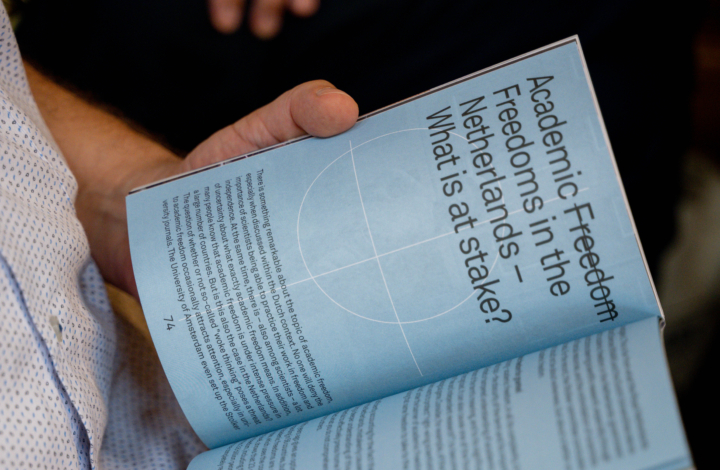
-
Our partners
NIAS develops and maintains long-term partnerships with public and private organisations in the Netherlands and abroad. Together, we aim to advance academic freedom, which we regard as a cornerstone of liberal democracy, through joint fellowship programmes. We also engage in shorter-term collaborations, such as live and online events and other initiatives that reach both scholarly and non-scholarly audiences.
Read more about Our partners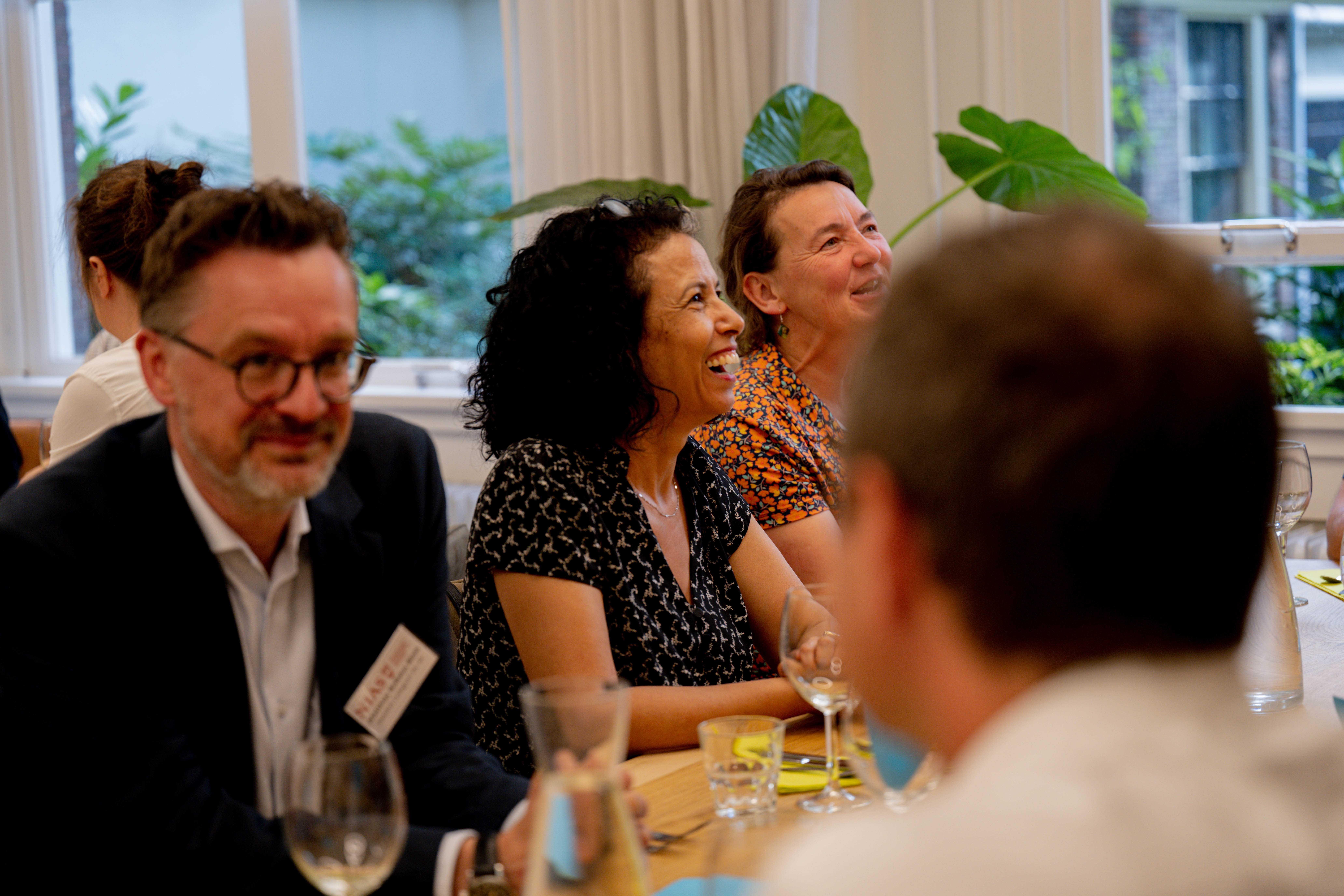
-
History
NIAS is the Netherlands’ only independent institute for advanced study in the humanities and social sciences. It was founded in 1970 and opened its doors to the first group of fellows in 1971, making it the first institute of its kind in Europe and the third of its kind in the world.
Read more about History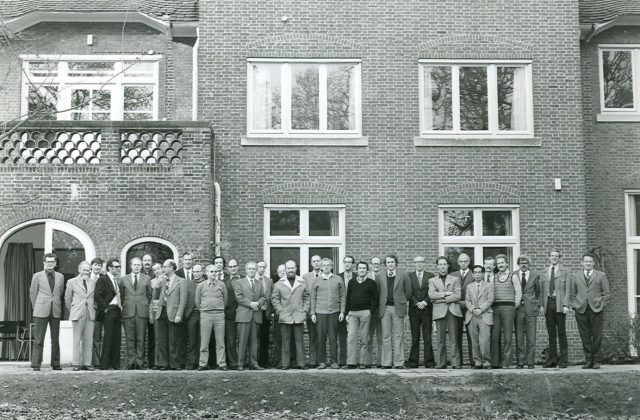
-
NIAS in gemakkelijk Nederlands
Bij het NIAS komen onderzoekers uit de hele wereld samen om rustig aan hun onderzoek te werken. Ze leren van elkaar en delen ideeën in een veilige omgeving. Sinds 1970 heeft het NIAS veel onderzoekers geholpen om verder te groeien in hun vakgebied en om oplossingen te vinden voor problemen in de samenleving.
Read more about NIAS in gemakkelijk Nederlands